
Year-Round Parasite Protection
Defend your pet against heartworm, ticks, fleas, and intestinal worms — every single month
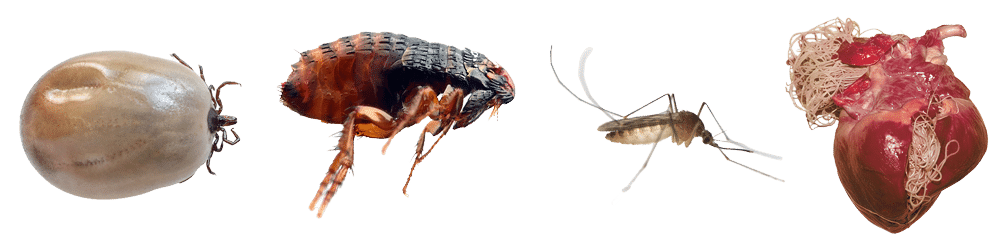
Why Does Year-Round Protection Matter?
There's no longer a true "off-season" for parasites in Quebec. Milder winters and unpredictable temperature swings mean your pet can be at risk even in the coldest months.
Changing Climate
Warmer winters and fluctuating temperatures allow parasites to stay active longer. Ticks, for example, can become active the moment temperatures rise above 0°C — even mid-winter.
Indoor Parasites Are Year-Round
Fleas reproduce inside your home throughout the year. For every flea you spot on your pet, there are 100 more hiding in carpets, furniture, and bedding.
Gaps in Coverage Are Risky
Skipping even one month of prevention creates an opening for parasites. Heartworm larvae, for instance, can establish themselves in just a few weeks.
Cases Are Rising
Heartworm and tick-borne disease cases are increasing every year in the Montreal area. Prevention is always simpler — and far less costly — than treatment.
Your Family's Health Too
Some parasites, like certain intestinal worms, can infect humans — especially young children. Protecting your pet means protecting everyone in your household.
Prevention Saves Money
The annual cost of prevention is a fraction of what treating a parasitic disease costs — not to mention the suffering it spares your companion.
Backed by Veterinary Associations
Year-round parasite prevention is now officially recommended by the Canadian Veterinary Medical Association (CVMA), the Association des médecins vétérinaires du Québec (AMVQ), the Ordre des médecins vétérinaires du Québec (OMVQ), and the American Animal Hospital Association (AAHA).
Heartworm
Dirofilaria immitis

Life Cycle & Transmission
Key Facts
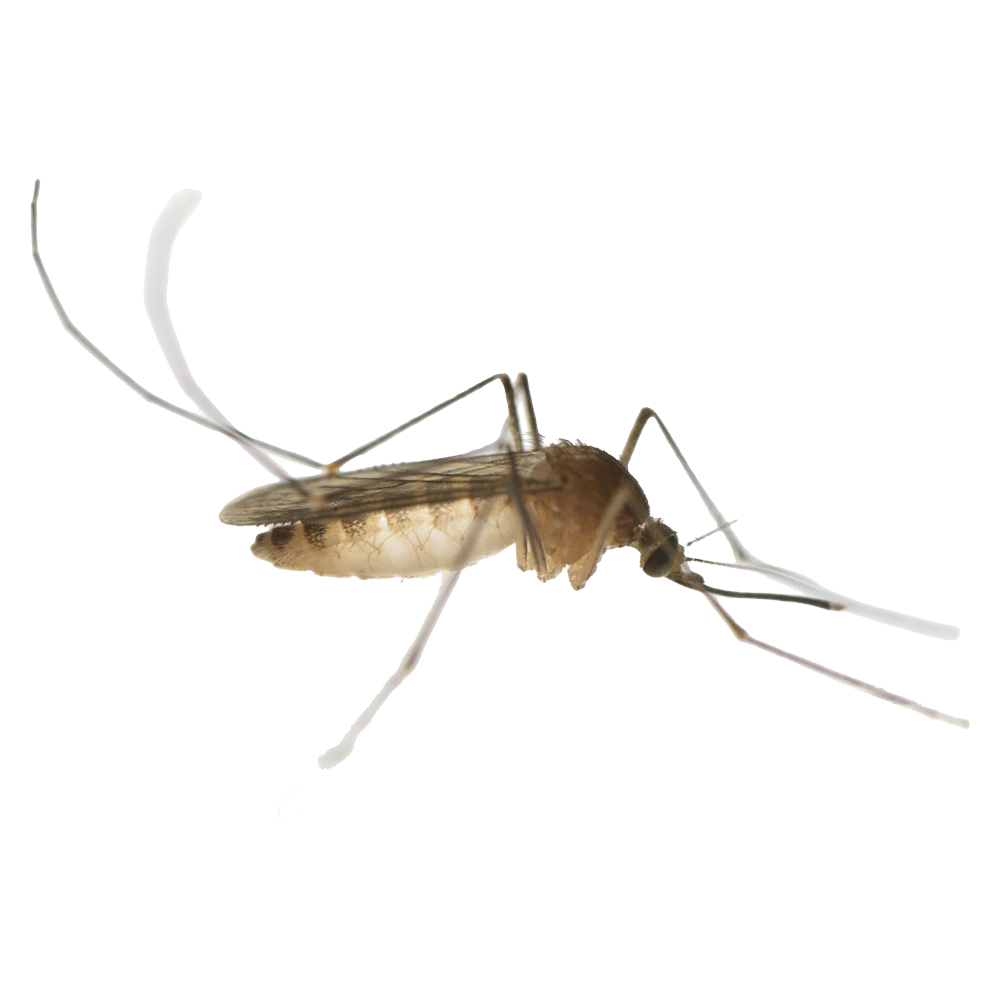
- Transmitted by mosquitoes
- Can grow several centimetres long
- Lodges in the heart and pulmonary arteries
- Cases are increasing in Quebec
- Treatment is complex and expensive
Why It's Dangerous
After a bite from an infected mosquito, larvae migrate through the bloodstream and take up residence in the pulmonary arteries and heart. The consequences are serious: progressive lung damage, heart failure, and in severe cases, death.
Why Prevention Is Essential
- Serious disease: Heartworm can lead to life-threatening complications if left untreated
- Difficult treatment: It carries real risks and is not always readily available
- Growing risk: Confirmed cases are rising every year in southern Quebec, especially in the greater Montreal area
Test Before You Treat
Before starting any preventive protocol, we recommend a blood test (such as the Snap 4Dx test for dogs) to confirm your pet is not already infected. Starting a preventive product on a heartworm-positive animal without proper diagnosis can cause serious complications, including embolism and allergic reactions.
Note: Cats can also contract heartworm, though cases are less common. Feline-specific prevention is available and recommended.
Ticks
Ixodes scapularis – Black-legged tick (Deer tick)
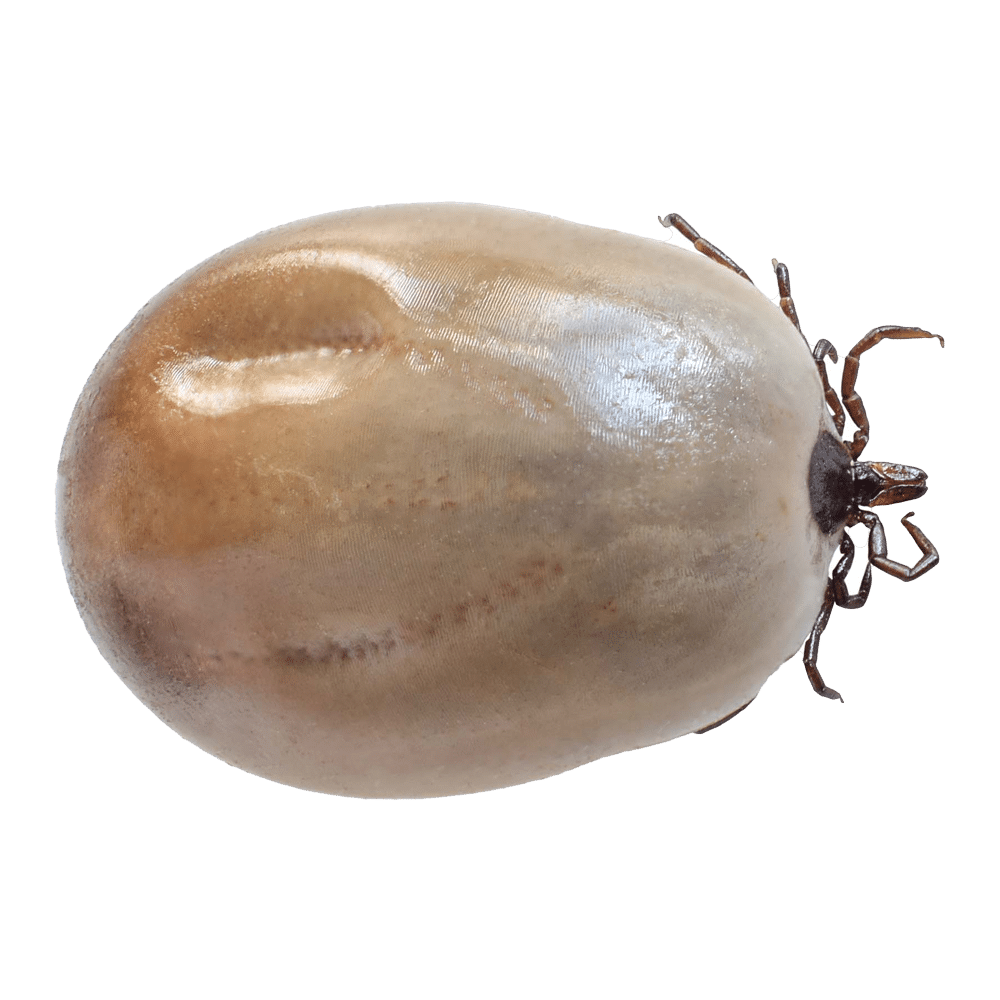
Life Cycle & Behaviour
Key Characteristics
- Active at temperatures above 0°C
- Can survive under snow cover
- Found in tall grass and wooded areas
- Can transmit multiple diseases
- Range is expanding across Quebec
Lyme Disease in Quebec
Lyme disease is the most common tick-borne illness in Quebec. Transmission typically occurs after a tick has been attached for more than 24 hours. Regular inspection of your pet after outdoor activity is one of the best forms of local prevention — alongside a vet-recommended antiparasitic protocol.
How Ticks Attach
Ticks wait in tall grass or brushy areas for a host — dog, cat, or human — to brush past. Once on your pet, they can spend several hours searching for an ideal spot to feed. Because tick bites are painless, they often go unnoticed until the tick is already engorged.
Diseases Ticks Can Transmit
Signs of Lyme disease in pets can include: stiffness, lameness or tenderness to the touch, fever, loss of appetite, lethargy, and swollen lymph nodes.
Other diseases: Anaplasmosis and ehrlichiosis are also detected via the 4Dx test in dogs.
Tick Education Resources
Fleas
Ctenocephalides felis – A year-round household problem
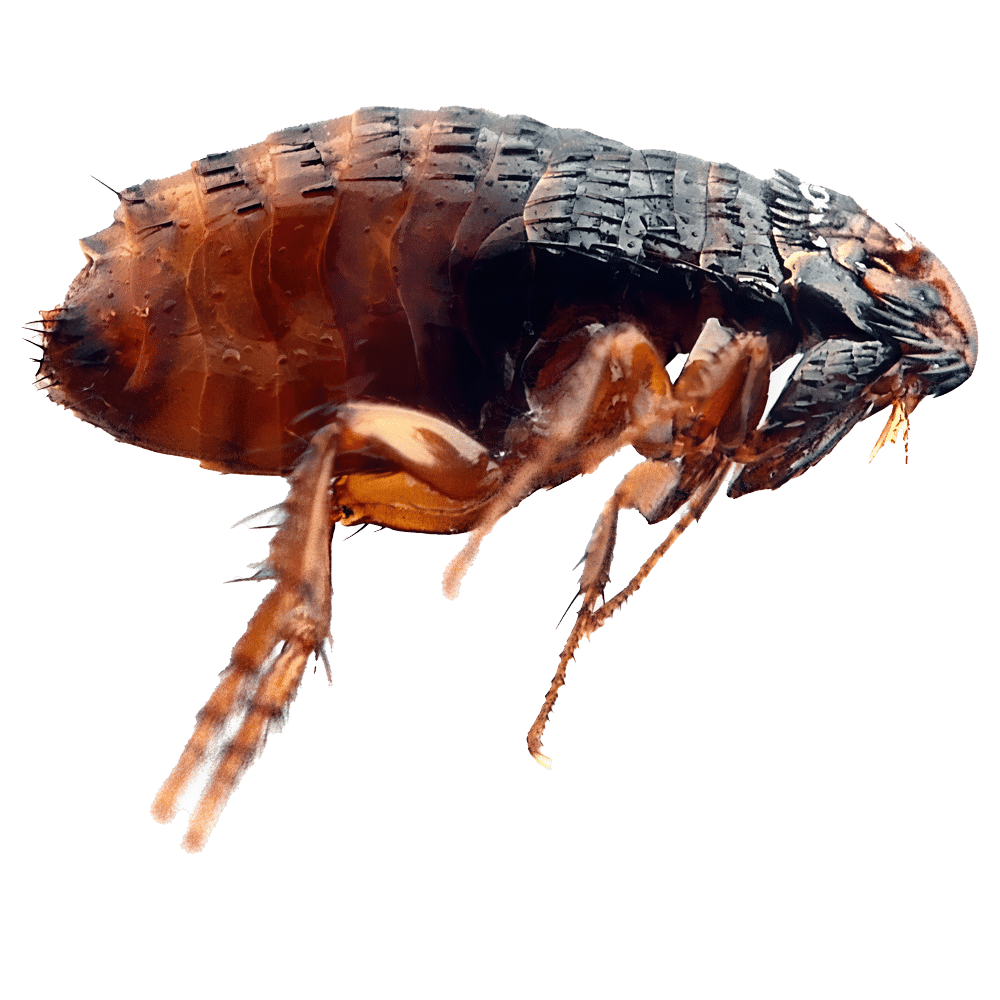
A Rapid Reproduction Cycle
Key Points
- Tiny, fast-moving brown insects
- Feed on blood
- Lay hundreds of eggs at a time
- Infest both your pet and your home
- Active all year long

The Hidden Flea Problem
For every flea you find on your pet, there are 100 more hiding in your home. A single flea can lay hundreds of eggs that fall into your environment — carpets, sofas, bedding — and hatch weeks or months later.
Why Are Fleas So Hard to Eliminate?
- Larvae develop silently inside your home, maturing into adults ready to re-infest your pet
- Flea eggs can survive in your environment for several months
- An infestation can escalate very quickly if not addressed early
Health Problems Fleas Cause
Flea infestations can cause: intense itching, flea allergy dermatitis, hair loss, and in severe cases, anemia. Fleas can also transmit tapeworms (cestodes) when swallowed by your pet during grooming.
Intestinal Worms
More common than most pet owners realize
Types of Intestinal Worms
Roundworms (Ascarids)
The most common type — and they can infect humans
Tapeworms (Cestodes)
Transmitted through infected fleas or rodents
Whipworms (Trichuris)
Live in the large intestine and cause chronic irritation
Hookworms (Ancylostoma)
Feed on blood and can cause serious anemia
How Do Infections Happen?
- Ingesting eggs or larvae (contact with contaminated feces or soil)
- Mother-to-offspring transmission (in utero or through nursing)
- Swallowing infected fleas or rodents
Zoonotic Risk to Your Family
Intestinal worms can cause diarrhea, weight loss, bloating, and even transmit to humans. Roundworms in particular can infect children who come into contact with contaminated soil or feces.
Testing & Deworming
- Annual fecal exam: Detects the presence of intestinal parasites before symptoms appear
- Regular veterinary check-ups: Allow us to tailor the deworming protocol to your pet's age, lifestyle, and health status
Note: Kittens and puppies typically require more frequent deworming during their first months of life.
Trusted Educational Resources
Explore these reliable sources to deepen your understanding of parasite prevention and pet health
Tick Resources
INSPQ – Ticks
Comprehensive information on tick prevention, identification, and risks in Quebec
View ResourceINSPQ Interactive Maps
Visualize current and projected tick distribution across Quebec with climate projections
View MapsPublic Health Geoportal
Interactive mapping platform to explore zoonotic disease data across Quebec
ExploreTickMaps
Interactive map tracking tick presence across Canada using weather forecast data
Check Risk LevelsTiqueToc Canada – Videos
A series of 12 educational videos answering the most common questions about ticks
Watch VideoseTick
Canada's tick submission and identification platform — submit a photo for identification
Submit a TickHealth Canada – Tick Removal
Video guide on the correct, safe way to remove a tick from your pet or yourself
Watch VideoHealth Canada – Lyme Disease
Complete guide on Lyme disease, tick testing, and protecting yourself and your pets
Learn MoreHeartworm & General Parasite Control
CVMA – Heartworm
Information on heartworm prevention and treatment in dogs and cats from Canada's veterinary association
View ResourceCAPC – Parasite Control Guidelines
Why year-round vigilance is critical for effective parasite control in companion animals
Read GuidelinesPets & Parasites – Fleas
Comprehensive information on flea prevention and treatment for cats and dogs
DiscoverCVMA – Intestinal Parasites
How to prevent intestinal parasites and keep your pet and family safe
Read MoreAVMA – Flea & Tick Product Safety
Guidelines for the safe use of flea and tick prevention products in pets
Safety GuideAssociation des médecins vétérinaires du Québec (AMVQ)
AMVQ – Tick Prevention Month
Awareness campaign and resources for tick prevention — March campaign
View CampaignA Personalized Prevention Plan for Your Pet
Our team offers tailored 12-month parasite prevention programs targeting the most common threats in Quebec. Every plan is adapted to your pet's lifestyle, health history, and environment.
Comprehensive Veterinary Exam
Before any preventive protocol is started, a full physical exam is essential. We assess your pet's overall health, check for existing parasites (with a heartworm screening test and fecal analysis), and build a protection plan suited to their lifestyle.
Diagnostic Testing
A blood test for heartworm (Snap 4Dx for dogs) and a fecal exam to detect intestinal parasites. These results allow us to design a prevention plan that is both safe and effective for your individual pet.
Monthly Preventive Medications
Preventive treatments are typically given once a month — either as a chewable tablet or a topical liquid applied to the skin. These products eliminate larvae before they can develop into a serious threat.
Annual Follow-Up Visits
Yearly wellness check-ups allow us to re-evaluate your pet's needs and update their prevention plan based on age, environment, and any changes in health status.
Simple Home Prevention Tips
Pick up your dog's feces promptly to prevent environmental contamination of your yard and neighbourhood
Vacuum and clean your pet's favourite resting spots regularly — beds, rugs, and sofas included
Inspect your pet after every outdoor outing, especially in wooded areas, parks, or tall grass
Wash your hands after handling your pet or cleaning up after them — especially when young children are around
Don't Forget Your Indoor Cats!
Even cats that never go outside can be exposed to parasites brought in on shoes, clothing, or other animals. Ask us about a prevention protocol for your indoor cat — because parasites don't always need an invitation.
Start Protecting Your Pet Today
Year-round parasite prevention is the most effective way to keep your dog or cat safe from heartworm, ticks, fleas, and intestinal worms — all year long.